


Table of Contents
Introduction: Cost to Granite Countertops
Granite countertops cost between $45 and $200 per square foot installed, with most homeowners paying around $70 per square foot for quality natural stone surfaces. This comprehensive guide covers everything you need to know about granite countertop costs, from material grades and installation fees to hidden expenses and money-saving strategies.
This content covers material pricing tiers, labor costs, factors that influence final pricing, and practical budgeting approaches for granite countertop projects. Whether you’re planning a kitchen remodel or bathroom upgrade, this guide targets homeowners ready to make informed decisions about countertop materials. Understanding these costs is important because granite is a significant investment that affects both your daily living experience and your home’s resale value. High-quality countertop materials like granite can help increase resale value when selling your home, as buyers often look for durable and attractive surfaces such as granite or quartz.
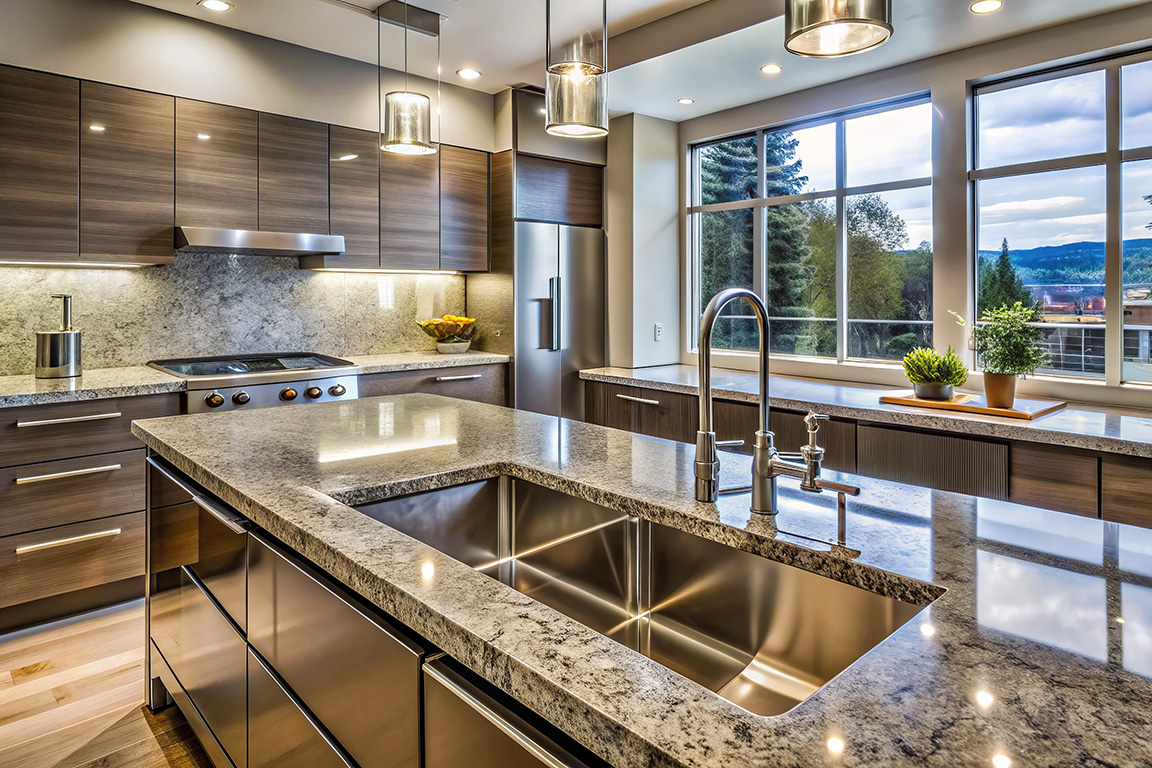
Direct answer: Average granite countertop projects cost $2,500 to $6,000 for typical kitchen installations, though total cost varies based on granite grade, project size, and installation complexity.
By reading this guide, you’ll understand:
- Price ranges across different granite grades, and what quality differences justify higher prices
- Which factors influence your final project cost most significantly
- Hidden expenses to budget for beyond the per square foot price
- Practical strategies to maximize value without compromising quality
- How granite compares to other popular countertop materials like quartz and marble
Countertop Materials Comparison
Choosing the right countertop material is a crucial step in any kitchen or bathroom remodel. Granite countertops remain a top choice for homeowners seeking the natural beauty and durability of real stone. Each granite slab features unique patterns, making every installation one-of-a-kind. Granite is also heat-resistant and, with regular cleaning and sealing, offers low maintenance and long-lasting performance.
Quartz countertops made from engineered stone are another popular option. Unlike natural stone, quartz offers a non-porous surface that resists stains and scratches, making it ideal for busy households. Quartz countertops are available in a wide range of consistent patterns and colors, providing a modern look with minimal upkeep needs.
Marble countertops are prized for their timeless look and elegance, but they require more maintenance than granite or quartz. Marble is softer and more porous, making it susceptible to stains and scratches, so it’s best suited for areas where durability is less of a concern.
For those on a tight budget, laminate countertops offer an affordable, low-maintenance alternative. While they lack the natural beauty and heat resistance of stone, laminate surfaces come in a variety of colors and patterns, making them a versatile choice for many styles.
When selecting the right countertop material, consider durability, maintenance, appearance, and cost. Granite and quartz both offer excellent performance and style, while marble and laminate provide distinct advantages for specific needs and budgets.
Understanding Granite Countertop Pricing
The granite countertop cost structure combines material expenses, fabrication services, and installation labor into a single per-square-foot installed price. Base pricing depends on the granite slab grade, which reflects the stone’s origin, color rarity, and pattern consistency. Unlike laminate or engineered stone countertops, granite pricing varies dramatically based on geological characteristics that make each slab unique.
How much do granite countertops cost compared to alternatives? Granite installations typically range from $80 to $200 per square foot, placing this natural stone in the mid- to premium tier. Quartz countertops fall within a similar range at $80 to $120 per square foot installed, while marble countertops span $70 to $200 per square foot. Quartz costs are often compared directly to granite costs, as both influence homeowner decisions and can affect a home’s resale value. More budget-friendly laminate countertops cost only $20 to $50 per square-foot installed, making the difference substantial for large projects.
Basic Cost Ranges by Grade
Entry-level granite (Level 1) costs $45 to $60 per square foot installed, with widely available colors and consistent patterns. These materials include popular options like Ubatuba, Viscont White, and Giallo Ornamental—durable stones that deliver the elegance of granite without premium pricing.
Mid-grade granite (Levels 2-4) ranges from $60 to $80 per sq ft installed, offering greater color variety and more distinctive veining. These slabs often feature more complex patterns and come from diverse quarries, providing additional design flexibility for homeowners seeking options beyond standard options.
Premium granite (Level 5 and exotic varieties) typically costs $80 to $200 per square-foot installed. These materials include rare colors, dramatic, unique patterns, and stones imported from distant quarries worldwide. The quality and rarity justify higher prices for homeowners who prioritize distinctive elegance and timeless appeal.
What’s Included in Standard Pricing
The material cost breakdown includes the granite slab itself, which typically accounts for 50-60% of your total cost. Waste factors add 10-15% to material requirements, as fabricators must cut around natural imperfections and accommodate layout geometry. Slab thickness also affects material cost—thicker slabs (3cm versus 2cm) provide greater durability but increase expense.
Fabrication services encompass templating your kitchen layout, precision cutting, edge profile creation, and surface polishing. Edge treatments range from simple eased edges to elaborate ogee profiles, with custom options adding $200 to $300 or more to project costs.
Installation components include delivery to your site, professional mounting, sealing the stone surface, and cleanup. A complete installation project includes sink and cooktop cutouts, securing the countertop to the cabinets, and applying a protective sealant to help the granite resist stains and moisture penetration.
These pricing components directly connect to the variables that determine your final project cost—which we’ll examine next.
Factors That Affect Granite Countertop Costs
Understanding what drives the cost of granite countertops beyond base material pricing helps you anticipate your actual project expenses and identify areas where adjustments can fit your budget.
Material-Related Cost Factors
Granite origin significantly impacts pricing, with domestically quarried stone generally costing less than imported materials. Exotic granites from Brazil, India, or Italy command premium prices due to transportation costs and material rarity. The difference between domestic and imported granite can add $20 to $50 per square foot to your estimated cost.
Color and pattern complexity significantly affect material costs. Common gray, beige, and brown tones occupy lower price tiers, while unique colors and dramatic veining push costs higher. Unique colors, such as blue or red granite with bold veining, will cost more. Stones with consistent patterns may cost less than those with striking, one-of-a-kind natural formations that showcase the beauty of each unique slab.
Slab thickness options present another cost variable. Standard 2cm (¾-inch) slabs are suitable for many applications, but thicker 3cm (1¼-inch) slabs offer greater durability and a more substantial appearance. Thicker slabs resist cracking better and can support longer spans without additional support, but they add 15-25% to material costs.
A Fancy edge treatments, such as ogee, bullnose, or beveled designs, will increase fabrication costs.
Installation Complexity Factors
Kitchen layout complexity directly influences installation costs. L-shaped or U-shaped kitchens require more seams and more precise fitting than simple galley layouts. Unusual angles, curves, or island configurations increase fabrication time and labor expense.
The number and types of cutouts significantly affect your price. Basic installations include one sink cutout, but additional openings for cooktop units, wall outlets, or specialty fixtures add approximately $100 each. Complex undermount sink installations require more precise work than standard drop-in configurations.
Edge profile selections impact both aesthetics and cost. Standard eased, or beveled edges, cost less than elaborate ogee, bullnose, or waterfall profiles. Custom edge treatments require additional fabrication equipment and expertise, potentially adding $200 to $400 to your project.
Accessibility and installation difficulty factors include cabinet condition, wall configurations, and site access. Second-floor installations, narrow doorways, or significant demolition requirements increase labor costs beyond standard estimates.
PRO TIP: Hidden costs for countertop installation may include sink cut-outs and plumbing, adding hundreds to the project total.
Geographic and Market Factors Cost to Granite Countertops
Regional pricing variations create significant differences in granite countertop costs across markets. Urban areas with higher labor costs typically see installation costs $10 to $20 higher per square foot than suburban or rural locations. Coastal and metropolitan regions generally command premium pricing.
Local labor costs and contractor availability fluctuate with demand and the availability of skilled labor. During peak remodel seasons, labor costs may increase due to contractor scheduling pressures.
Transportation costs for specialty granite slabs add expense when materials must travel significant distances from the quarry or distribution center to the fabrication shop to your home. Locally available granite options often provide cost advantages over exotic imported stone.
These geographic considerations directly affect how you should calculate your detailed project budget.
Installation Process
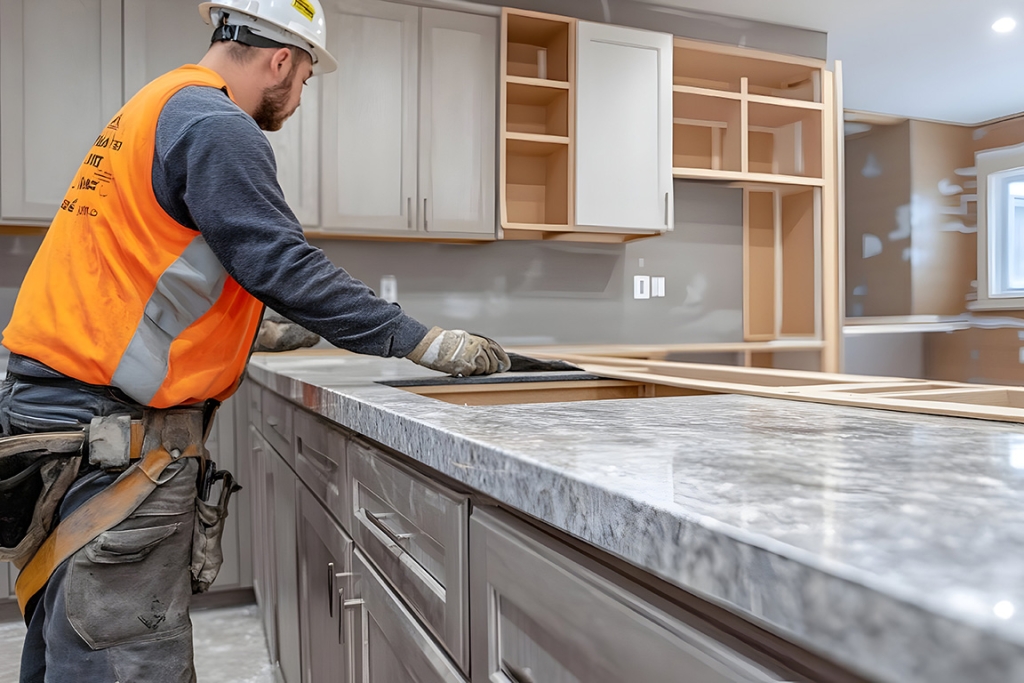
The installation process for granite, quartz, and other countertop materials is a multi-step process that requires precision and expertise. It typically begins with a professional measuring your space and creating a detailed template to ensure a perfect fit. Once the template is ready, your chosen granite slab or quartz material is cut and fabricated to match the exact dimensions and design of your kitchen or bathroom.
After fabrication, the countertop is transported to your home and carefully installed. This includes securing the slab to your cabinets, making precise cutouts for sinks and cooktops, and sealing the surface to prevent stains and moisture intrusion. Installation costs can vary widely, typically ranging from $30 to $75 per square foot depending on the material, project complexity, and your location.
Hiring a skilled professional is essential for a flawless installation. Experienced installers have the right equipment and knowledge to handle heavy slabs, ensure proper alignment, and avoid costly mistakes. Whether you choose granite, quartz, or another material, investing in professional installation helps ensure the longevity and beauty of your new countertops.
Style and Aesthetic Options
Granite, quartz, and other materials offer a wide range of styles and aesthetics to complement any kitchen or bathroom design. Granite and natural stone are renowned for their unique patterns and natural color variations, ranging from rustic beige and warm brown to elegant gray and dramatic black. Each slab is distinct, allowing homeowners to showcase the natural beauty of stone in their space.
Quartz countertops provide a more uniform appearance, with consistent patterns and a wide selection of colors, from subtle neutrals to bold hues. This makes quartz an excellent choice for modern or minimalist designs that seek a sleek, cohesive look.
For those seeking a touch of luxury, thicker slabs and rare colors can elevate your home’s style and increase its resale value. Unique edge profiles and custom finishes further personalize your countertops, making them a true focal point in your kitchen or bathroom.
When choosing the right countertop material, consider your preferred style, the level of maintenance you’re comfortable with, and your budget. Whether you’re drawn to the timeless look of marble, the durability of granite, or the low maintenance of quartz, there’s a perfect option to match your vision and lifestyle.
Environmental Considerations
Environmental impact is an important factor for many homeowners when selecting countertop materials. Granite, as a natural stone, is quarried from the earth and is a non-renewable resource. While granite slabs offer exceptional durability and can last for decades, their extraction and transportation can contribute to environmental concerns, especially when the stone is sourced from distant locations.
Quartz countertops, made from engineered stone, combine natural quartz with resins and pigments. The manufacturing process for quartz requires energy and resources, but the resulting material is highly durable and long-lasting, reducing the need for frequent replacements. Some manufacturers now offer eco-friendly quartz options that incorporate recycled materials, further minimizing environmental impact.
Homeowners interested in sustainability can also explore countertops made from recycled glass or other environmentally conscious materials. Additionally, considering the distance materials travel from the quarry or factory to your installation site can help reduce your project’s carbon footprint. Choosing local or regionally sourced stone and working with fabricators who minimize waste during installation are other ways to make your countertop project more eco-friendly.
Detailed Cost Breakdown and Budgeting
Calculating accurate granite countertop project costs requires systematic measurement, appropriate material selection, and comprehensive accounting for all project components.
Step-by-Step Cost Calculation
Accurate estimation begins with proper measurement and methodical planning:
- Measure total square footage, including overhangs and backsplash areas. Standard countertops extend 1 to 1.5 inches beyond cabinet faces, and backsplashes typically add 4 to 6 inches of height along wall sections.
- Add 10-15% waste factor for cutting and fabrication. Granite fabrication involves cutting around natural flaws and optimizing layouts, inevitably producing some unusable material.
- Calculate material costs based on granite grade selection. Multiply your total square footage (including waste) by your chosen grade’s per square foot price to determine material expense.
- Include fabrication and installation labor costs. Labor typically ranges from $10 to $20 per square foot, with overall labor costs between $400 and $1,000, depending on project complexity.
- Account for additional features and customizations. Budget separately for premium edge treatments, multiple cutouts, backsplash installation, and removal of existing countertops.
Cost Comparison by Project Size
Project Type | Square Footage | Estimated Cost Range | Typical Features |
|---|---|---|---|
Small Bathroom | 15-25 sq ft | $1,200-$2,500 | Single sink cutout, basic edge, minimal seams |
Standard Kitchen | 40-60 sq ft | $2,500-$6,000 | Sink and cooktop cutouts, standard edge profiles |
Large Kitchen | 80+ sq ft | $5,000-$12,000+ | Multiple work zones, island, upgraded granite |
Small bathroom projects benefit from lower material costs per square foot and simplified installation requirements. These projects can use remnant pieces from larger slabs, potentially reducing material costs.
Standard kitchen installations represent the most common project scope, typically involving 40 to 60 square feet of countertop surface. At the national average of approximately $70 per square foot, you can expect total costs of around $4,000 for moderate granite with an eased edge and an undermount sink.
Large kitchen projects spanning 80 or more square feet encounter scaling complexity. Open-concept or gourmet kitchens featuring upgraded granite slabs, intricate designs, and personalized edging easily reach $7,000 to $12,000 or more.
This breakdown helps readers estimate their project costs based on kitchen size and feature requirements, setting realistic budget expectations before discussions with contractors.

Common Cost Challenges and Solutions
Granite countertop projects frequently encounter predictable challenges that can be mitigated with proper planning and realistic budgeting.
Budget Overruns and Unexpected Costs
Scope creep represents the most common source of budget overruns in countertop projects. Solutions include detailed upfront planning, written contracts specifying exact materials and work scope, and agreement on change-order procedures before work begins. Define your edge profile, cutout locations, and backsplash specifications in writing before fabrication begins.
Measurement errors and material waste create unwanted expense when fabricators must order additional granite or when awkward layouts generate excessive scrap. Hire experienced professionals for templating, and visit the slab yard personally to approve your specific granite slab before cutting begins.
Hidden Costs and Additional Fees
Demolition, disposal, and prep work add costs beyond the basic installation estimate. Removing existing countertops and preparing cabinets for new granite can add $200 to $500, depending on existing materials and condition. Request explicit quotes for removal and disposal rather than assuming these services are included.
Electrical and plumbing modifications during installation catch many people unprepared. Relocating outlets, adjusting sink plumbing, or modifying cooktop connections require licensed tradespeople and separate expenses. Coordinate with other trades during project planning to identify modification needs early.
Balancing Quality and Budget Constraints
Selecting granite that meets both budget and aesthetic goals requires strategic compromise. Consider Level 2 or Level 3 granite that offers a distinctive appearance without exotic pricing. Simple edge profiles, such as eased or half-bullnose, cost less than elaborate treatments while providing a clean, modern style.
Cost savings without compromising quality come from timing flexibility, willingness to accept remnant pieces for small projects, and selection of readily available granite colors from well-stocked distributors. Avoid rushing purchases during peak spring and summer remodel seasons when labor costs and wait times increase.
These strategies help you make a smart investment in granite countertops that balance durability, beauty, and budget.
Frequently Asked Questions: Cost to Granite Countertops
Q: What is the average cost of granite countertops per square foot installed?
The average cost of granite countertops per sq ft installed ranges from $45 to $100, depending on the quality of the stone, the thickness, and the complexity of your project.
How do I maintain my granite countertops?
Maintain your granite countertops by cleaning them regularly with mild soap and water. Avoid harsh chemicals and abrasive cleaners. Periodic sealing helps protect the stone from stains and keeps the surface looking polished.
Are quartz countertops more durable than granite countertops?
Both granite and quartz countertops are highly durable. However, quartz countertops have a non-porous surface that resists stains and scratches better than natural stone, making them a great choice for busy kitchens.
Can I install countertops myself, or should I hire a professional?
While DIY installation is possible, it’s highly recommended to hire a professional for granite or quartz countertops. Professional installers ensure a precise fit, proper sealing, and help avoid costly mistakes that can arise from handling heavy slabs and complex cutouts.
How long do granite countertops last?
With proper maintenance and regular sealing, granite countertops can last 10 to 20 years or more, making them a durable and worthwhile investment for homeowners seeking long-term value.
Conclusion: Cost to Granite Countertops
Granite countertops cost $45 to $200 per square foot installed, with typical kitchen projects costing $2,500 to $6,000. Your final price depends on the granite grade selected, installation complexity, geographic location, and project-specific features. This durable, heat-resistant natural stone delivers long-term value through decades of service and positive resale value impact.
Granite countertops can last a lifetime with the right care, needing resealing every 1-2 years.
Take these immediate steps:
- Measure your countertop space accurately, including overhangs and backsplash areas
- Research local granite contractors and fabricators with strong reviews
- Get at least three detailed quotes specifying material grade, edge profile, and included services
- Plan for a 10-20% budget buffer to accommodate unexpected costs or material upgrades
Consider coordinating your countertop installation with broader kitchen remodel activities to minimize disruption and potentially negotiate package pricing. Plan for temporary kitchen arrangements for one to several weeks to cover templating, fabrication, and installation. If installing granite alongside new cabinets or appliances, sequence the work so countertop templating occurs after cabinet installation but before final sink and cooktop connections.
For ongoing maintenance, granite requires regular cleaning with mild soap and periodic sealing to maintain its non-porous surface protection—low maintenance requirements that contribute to granite’s long-term cost advantage over materials requiring more intensive upkeep needs.